
Reviews
Part of Email automation for ecommerce UK: platform shortlist, consent and build order
Email automation for ecommerce UK: platform shortlist, consent and build order
A shortlist of Klaviyo, Dotdigital and Omnisend for UK ecommerce, with what each pricing unit means, ICO consent essentials and four email flows to build first.
What to take away
- Ecommerce email automation earns its budget when it recovers baskets and keeps consent records that stand up to an ICO query.
- Klaviyo suits shops whose catalogue and order events already live in the platform. Dotdigital suits UK teams that want local support and simple data residency answers. Omnisend suits smaller catalogues.
- Pricing units differ, so compare active profiles, contacts and send volume separately before comparing headline figures.
- Consent, suppression and delivery data are your configuration work. No platform sells compliance as a feature.
Permission comes before personalisation
Start with permission, not templates. The ICO's direct marketing guidance covers valid consent, the soft opt-in for existing customers and the records you should hold. A shop that cannot show where an address came from, and when, is exposed long before subject lines matter.
Consent records to keep
- Where the address came from
- When consent was given
- Exact wording shown at sign-up
- Opt-out offered on every message
- Order data stored beside marketing data
The soft opt-in sits in the Privacy and Electronic Communications Regulations 2003. It lets a retailer email existing customers about similar goods where consent was given at the point of sale and every message offers an opt-out. That rule justifies most post-purchase flows, and it is why order data belongs beside marketing data.
Delivery is the other British constraint. Royal Mail, Evri and DPD expose tracking events through APIs or webhooks. A workflow that cannot read a delivered or delayed event will either over-message customers or leave them guessing. Check the integrations list before the demo, not after the contract.
The ONS retail industry pages publish the official figures for online sales as a share of retail. That gives a neutral starting point for sizing a project, and vendor market reports rarely survive the comparison.
How the three platforms compare
The shortlist below reflects how each platform charges and where it tends to fit, not a ranking. Any of the three can work for a UK shop.
Klaviyo vs Dotdigital vs Omnisend
Klaviyo
- Pricing unit
- Active profiles
- Best fit
- Event-rich shops
- Verify
- GBP invoicing
Dotdigital
- Pricing unit
- Account contacts
- Best fit
- UK retailers
- Verify
- Onboarding in licence
Omnisend
- Pricing unit
- Contacts
- Best fit
- First automation
- Verify
- Segmentation tier
Pricing unit
- Klaviyo
- Active profiles, plus SMS credits
- Dotdigital
- Contacts on the account, in tier bands
- Omnisend
- Contacts, with monthly send limits
Where it usually fits
- Klaviyo
- Shops with catalogue, order and browse events in one place
- Dotdigital
- UK retailers wanting named support and UK account handling
- Omnisend
- Smaller catalogues and a first automation
What to verify
- Klaviyo
- Data-transfer terms, GBP invoicing, flow limits per tier
- Dotdigital
- Whether onboarding and template build sit inside the licence
- Omnisend
- Whether advanced segmentation sits in the lower tiers
Treat the table as a shortlist, not a verdict. The differences that decide a purchase usually sit outside the pricing sheet: how quickly a segment rebuilds, and how cleanly templates and consent records export if you leave. Our Klaviyo vs Dotdigital UK comparison tests two of these platforms against one scenario.
Questions to ask on each demo
Four questions separate a workable ecommerce platform from a polished demo, and none of them is about the user interface.
- Can the platform store and export consent source, wording and timestamp without a support ticket?
- Which delivery events arrive natively, and which need a developer?
- What happens to flows and templates if the subscription lapses for a month?
- Is the invoice issued in pounds sterling, and does VAT appear separately?
A four-step build for a first workflow
Sequence matters more than platform choice at launch, and the first four flows do most of the work.
- Capture consent at sign-up and store the source, timestamp and exact wording in a field that exports.
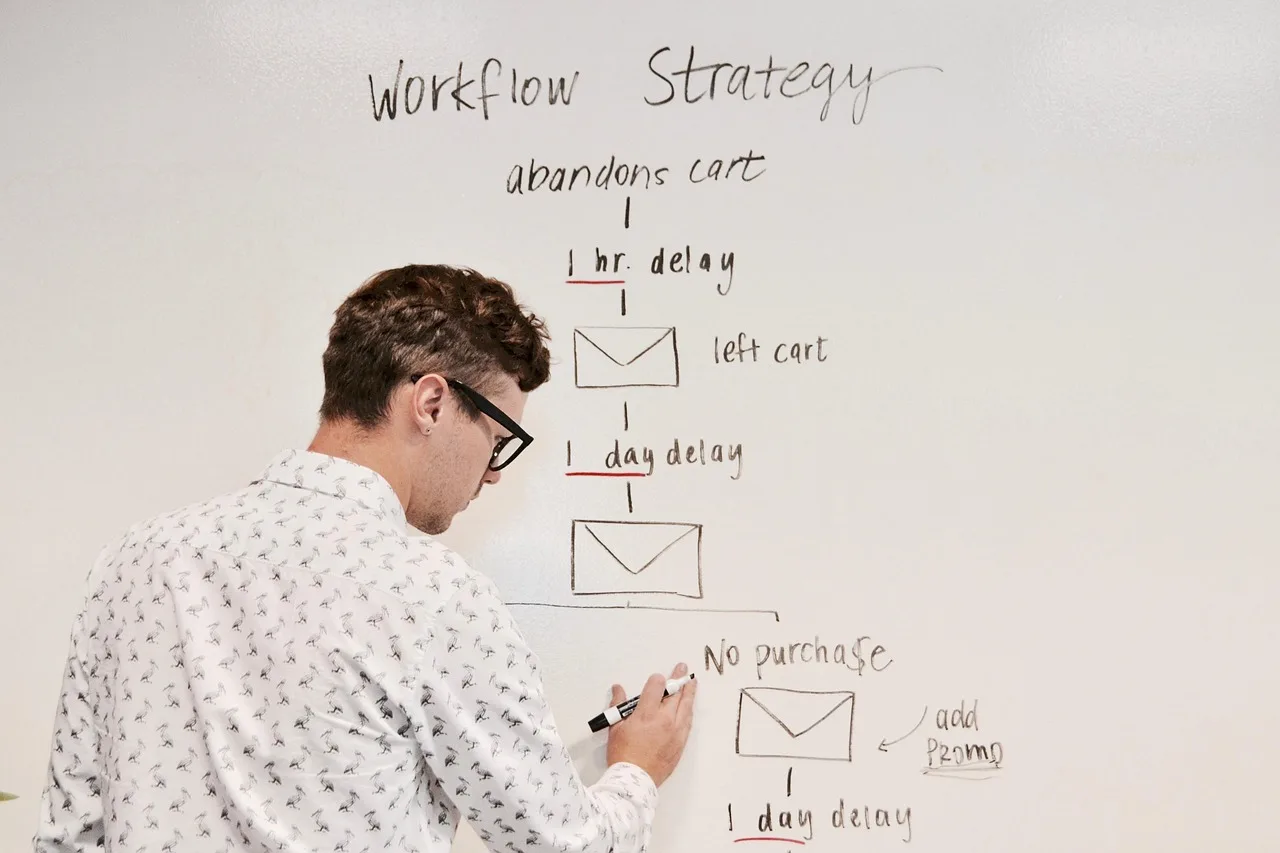
- Build the abandoned basket flow first, because it uses data you already hold.
- Add post-purchase messages that read delivery events, so tracking updates replace generic reassurance.
- Finish with a win-back flow, and suppress anyone who has opted out or bounced.
Cost control before you sign
Pricing units hide the real comparison. Take an illustrative shop quoted on 25,000 active profiles while mailing 9,000 of them, which is buying headroom it may not need. Ask both suppliers for the same contact count, send volume and twelve-month term.
Convert each quote to one monthly figure. Illustrative figures only: two quotes that both land at £240 a month can differ by a 10,000-contact gap in what they allow. Our monthly costs by tool breakdown shows how that normalisation works before any supplier comparison means anything.
Common questions
Is Klaviyo or Dotdigital cheaper for a UK shop?
It depends on which pricing unit each quote uses, so ask both for the same contact count and send volume. A dormant list can favour Klaviyo's active-profile model, while a large and frequently mailed list can favour Dotdigital.
Do I need a separate consent register?
No. Store consent source, wording and timestamp inside the platform, then export it monthly. A separate spreadsheet only helps if your team keeps it current.
Can workflows move between platforms?
Templates and consent records export reasonably well. Automations rarely do, so rebuild the logic from your own written specification and test it against a suppressed seed list before switching live traffic.